


What Is a Steel Material Test Certificate and Why Does It Matter in Construction?

Latest Post
-
02
Nov 20, 2026 best tmt bar in west bengal
How to Plan Steel Procurement for Phased Infrastructure Projects Read More

-
03
Oct 23, 2026 Best TMT Bar Manufacturers
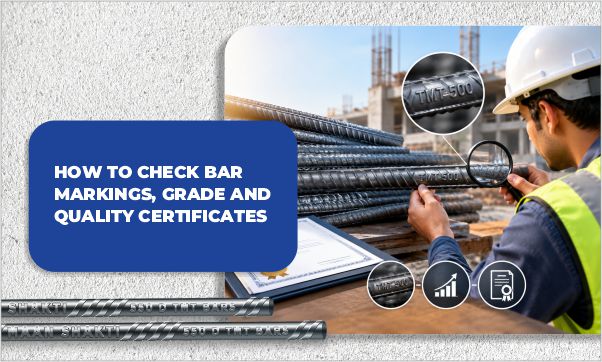
How to Check Bar Markings, Grade and Quality Certificates Read More

Categories
Popular Tags
- TMT Bars
- tmt
- TMT Bar
- Best TMT Bars
- Top Rated TMT Steel Bar Manufacturers
- Supplier of TMT Bars
- bars
- Manufacturer of TMT Bars
- Superior Quality steel TMT Bars
- TMT Bars Suppliers
- Best TMT Bar Manufacturers
- TMT Bars Manufacturers
- Bar
- Earthquake Resistant TMT Bars
- Thermo Mechanical Treated Steel
- tmt wholesale & distributor in west Bengal
- TMT Steel Suppliers Kolkata
- Pure TMT Bars
- Best
- TMT Bar Manufacturers Kolkata
- Corrosion Resistance TMT Bars
- Top TMT Company Assam
- leading TMT Bar producer
- Company
- Best TMT Steel Manufacturers West Bengal
- Best TMT Bar Company Assam
- TMT Bar West Bengal
- manufacturers
- Leading TMT Bars West Bengal
- TMT Bar Company
- Assam
- Top TMT bar manufacturers in West Bengal
- TMT Wholesale Distributor
- Leading Manufacturer of TMT Bars
- TMT Bar Manufacturer
- Steel
- of
- TMT Steel Bars
- Pure TMT Bars Kolkata
- Leading TMT Bar Producer Assam
- Best TMT Brand Assam
- Kolkata
- Suppliers
- West Bengal
- Construction
- Best TMT Bar
- TMT Bar Manufacturers
- Manufacturer of Tmt Saria Assam
- Top
- Leading
- TMT Bar for Construction
- Industry
- TMT Steel Bar
- Best TMT Steel Manufacturers in West Bengal
- Corrosion Resistant TMT Bars
- TMT Steel Suppliers in Kolkata
- TMT Manufacturer
- Top TMT Bar manufacturers
- leading TMT bar producer in Assam
- Earthquake
- Resistant
- Supplier
- Resistance
- Producer
- Pure
- Manufacturer
- TMT Steel Bar Manufacturers
- tmt wholesale distributors in west bengal
- TMT Rebar
- Pure TMT Bars in Kolkata
- Manufacturing TMT Steel Bars
- TMT Rebars
- Best TMT Bars Manufacturers
- Best TMT Bar Companies in Assam
- TMT Bar Company Assam
- Best TMT Bars Company Assam
- leading TMT Bars Manufacturing Companies Assam
- TMT Bars Suppliers in India
- TMT Bar Wholesale & Distributor
- Corrosion Resistance TMT
- Earthquake Resistant TMT
- Most Popular Brand in TMT Manufacturing
- TMT steel bars suppliers in Kolkata
- leading TMT bar manufacturers
- top-rated TMT bar manufacturers
- TMT Bar Manufacturers in Kolkata
- Fe500D
- sariya
- Quality
- Grades
- TMT Bars Company
- TMT Steel Suppliers
- TMT Wholesale
- TMT Company
- TMT Distributor
- Constructions
- TMT Suppliers
- Leading TMT Bars in West Bengal
- steel TMT bars
- Manufacturer of TMT Saria in Assam
- TMT Bar suppliers
- Best Supplier of TMT bars
- Suppliers of TMT Bars
- Top TMT Companies in Assam
- best TMT Bar manufacturers in West Bengal
- TMT bar producer in Assam
- Steel Bar
- TMT Steel
- corrosion resistant
- top-rated
- Corrosion
- Bars Manufacturer
- Bars TMT
- Bars Best
- Bars Corrosion
- TMT Steel Manufacturers
- Top TMT Bar Manufacturer
- TMT Bars Kolkata
- Earthquake in Kolkata
- Earthquake in Northeast India
- Bulk Order TMT Bar Online
- best tmt bar manufacturer in west bengal
- best tmt bar in west bengal
- TMT manufacturer in India
What Is a Steel Material Test Certificate and Why Does It Matter in Construction?
Nov 20, 2026

bluant digital
What Is a Steel Material Test Certificate and Why Does It Matter in Construction?
Introduction
When selecting steel for a construction project, checking its price, grade and availability is not enough. Understanding its quality and verifying whether it meets the required technical specifications are equally important. This is where a Steel Material Test Certificate (MTC) becomes essential.
Whether it is a residential building, commercial complex, industrial facility or large infrastructure project, steel reinforcement plays a significant role in structural strength and durability. A Material Test Certificate provides documented information about the chemical composition and mechanical properties of the supplied steel, helping construction professionals verify whether the material meets the specified standards.
For builders and contractors looking for a reliable TMT manufacturer in India, understanding MTCs can help them make informed procurement decisions and maintain quality control throughout construction.
Let’s understand what a Steel Material Test Certificate is, what information it contains and why it matters.
What Is a Steel Material Test Certificate?
A Steel Material Test Certificate, commonly known as an MTC or Mill Test Certificate, is an official document issued by a steel manufacturer or mill to provide details about the quality and tested properties of a particular batch of steel.
It records the results of relevant tests conducted during or after manufacturing. These results help buyers, engineers and quality inspection teams verify whether the supplied steel complies with the applicable product standards and purchase specifications.
For TMT reinforcement bars, the certificate generally includes information related to chemical composition, mechanical properties, product identification and test results.
An MTC acts as an important quality assurance document and supports material traceability from manufacturing to delivery.
What Information Does a Steel Material Test Certificate Contain?
A Material Test Certificate contains several technical details that help verify the quality and specifications of steel. While the exact format may differ between manufacturers, the following information is commonly included.
1. Manufacturer and Product Details
The certificate identifies the manufacturing company and the product being supplied.
It may include:
- Manufacturer’s name and identification.
- Product description.
- TMT bar grade.
- Nominal diameter.
- Applicable product standard.
- Manufacturing or testing details.
These details help buyers confirm that the supplied material matches the purchase order.
2. Chemical Composition
Chemical composition is an important factor in determining the properties and performance of steel.
An MTC may report the percentage of different chemical elements present in the steel, including:
- Carbon (C)
- Manganese (Mn)
- Sulphur (S)
- Phosphorus (P)
- Silicon (Si)
It may also include the Carbon Equivalent (CE) value, where applicable.
These elements influence properties such as strength, ductility and weldability. Checking the reported composition against the relevant standard helps ensure that the steel meets the specified requirements.
3. Mechanical Properties
Mechanical testing helps determine how steel behaves when subjected to different types of forces.
For TMT reinforcement bars, important mechanical properties include:
Yield Strength: The stress at which steel begins to deform permanently. It indicates the material’s ability to withstand stress before plastic deformation begins.
Tensile Strength: The maximum tensile stress that steel can withstand before breaking.
Elongation: The percentage increase in the length of a test specimen before fracture. It provides an indication of the steel’s ductility.
Bend and Rebend Performance: These tests assess the ability of reinforcement bars to withstand bending and rebending without developing unacceptable cracks or fractures, as specified by the applicable standard.
These properties help engineers assess whether the reinforcement steel is suitable for the intended structural application.
4. Heat Number and Batch Identification
A heat number is a unique identification assigned to a particular batch of steel produced during a specific melting operation.
It helps connect the supplied material with its manufacturing and testing records.
For construction projects involving large quantities of reinforcement steel, heat number identification supports:
- Batch-wise quality verification.
- Material traceability.
- Inspection and testing records.
- Quality audits.
- Identification of specific material lots if an issue arises.
This information is particularly useful for large infrastructure and industrial projects where maintaining documentation is essential.
Why Does a Steel Material Test Certificate Matter in Construction?
An MTC is more than just a technical document. It supports quality management and helps construction professionals make informed decisions about the materials used in their projects.
Here are some important reasons why it matters.
1. Helps Verify Steel Quality
The certificate provides documented test results that can be compared with the applicable product standard and project specifications.
This helps engineers and procurement teams check whether the supplied TMT bars meet the required chemical and mechanical properties.
2. Supports Structural Safety
Steel reinforcement works alongside concrete to resist different structural forces. Its mechanical properties influence how reinforced concrete structures perform under loading.
An MTC helps verify relevant material properties before the steel is approved for use. However, structural safety also depends on correct design, detailing, workmanship, concrete quality and proper execution.
3. Ensures Compliance with Applicable Standards
In India, IS 1786 specifies requirements for high-strength deformed steel bars and wires for concrete reinforcement.
An MTC helps demonstrate conformity with relevant requirements by providing test information for the supplied material.
Construction teams should always check the certificate against the applicable standard, approved specifications and purchase order.
4. Improves Material Traceability
Large construction projects often receive steel in multiple batches and deliveries.
With proper batch identification and documentation, project teams can trace material back to its manufacturing records.
This makes quality inspections, audits and material verification more organised.
5. Helps Contractors and Procurement Teams Make Better Decisions
When purchasing steel in bulk, contractors need to evaluate more than just the quoted price.
An MTC provides technical information that helps procurement teams compare supplied material against the required specifications.
It also supports better documentation and accountability between manufacturers, distributors and construction companies.
How to Check a Steel Material Test Certificate Before Accepting TMT Bars
Receiving an MTC is only the first step. Construction professionals should also verify the details mentioned in the certificate.
Here are some important checks:
- Verify the Manufacturer: Confirm that the certificate has been issued by the identified manufacturer or authorised testing facility.
- Check the TMT Grade: Ensure that the grade mentioned in the certificate matches the project requirements and purchase order.
- Match the Diameter: Verify that the bar diameter corresponds with the material supplied.
- Review Chemical Composition: Check the reported values against the applicable standard.
- Check Mechanical Test Results: Review yield strength, tensile strength, elongation and other required test results.
- Verify Batch Identification: Match the heat number or batch details with the supplied material and accompanying documentation.
- Check Standard Compliance: Ensure that the certificate refers to the correct applicable standard and its relevant requirements.
If any information is missing, unclear or inconsistent, the procurement or quality control team should seek clarification from the manufacturer before accepting the material.
It is also important to remember that an MTC does not replace independent inspection or testing where required by the project’s quality assurance plan.
Why Choosing the Right TMT Manufacturer in India Matters
The quality of reinforcement steel depends on several factors, including raw material selection, manufacturing processes, heat treatment, quality control and testing.
Therefore, selecting a dependable TMT manufacturer in India is an important decision for builders, contractors and infrastructure developers.
Before choosing a manufacturer, consider the following:
- Compliance with applicable BIS standards.
- Valid BIS licence for the relevant product and manufacturing location.
- Consistent manufacturing and quality control practices.
- Availability of product test certificates.
- Proper batch identification and traceability.
- Reliable distribution and supply arrangements.
- Technical support and transparent product documentation.
A manufacturer with established quality management practices can help construction teams maintain better control over material selection and verification.
Maan Shakti TMT: Supporting Quality-Focused Construction
Maan Shakti TMT, the flagship brand of Maan Steel & Power Limited, is committed to supporting India’s growing construction and infrastructure sector with quality steel products.
With over 30 years of industry experience, an integrated manufacturing facility and advanced German Thermex technology, Maan Shakti focuses on producing TMT bars for a wide range of construction requirements.
Its manufacturing approach combines modern technology with quality-focused processes to meet the demands of residential, commercial, industrial and infrastructure projects.
For builders and contractors, choosing steel from an established manufacturer and verifying the relevant product documentation are important steps towards maintaining construction quality.
Conclusion
A Steel Material Test Certificate plays an important role in verifying the quality and specifications of reinforcement steel used in construction. By providing information about chemical composition, mechanical properties, product grade and batch identification, it helps engineers, contractors and procurement teams make informed decisions.
Before purchasing TMT bars, always review the relevant test certificates and verify that the supplied material meets the applicable standards and project specifications.
Choosing the right TMT manufacturer in India and maintaining proper material documentation can support better quality control, traceability and confidence throughout the construction process.
For quality-focused steel solutions and product-related enquiries, Contact us at Maan Shakti TMT.
-
No tags for this post
Related Blogs