


How Much Rust Is Acceptable on TMT Bars for Construction?

Latest Post
-
01
Oct 23, 2026 Best TMT Bar Manufacturers
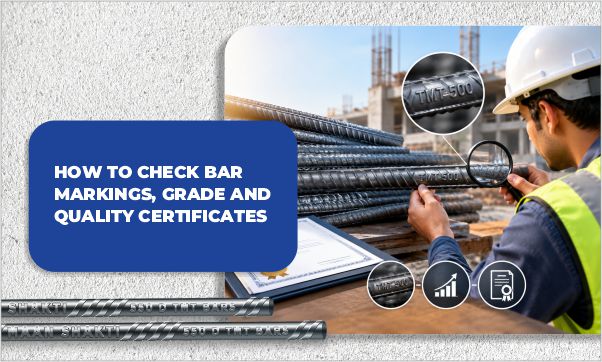
How to Check Bar Markings, Grade and Quality Certificates Read More

-
02
Oct 23, 2026 TMT Bar for Construction
How Much Rust Is Acceptable on TMT Bars for Construction? Read More

Categories
Popular Tags
- TMT Bars
- tmt
- TMT Bar
- Best TMT Bars
- Top Rated TMT Steel Bar Manufacturers
- Supplier of TMT Bars
- bars
- Manufacturer of TMT Bars
- Superior Quality steel TMT Bars
- TMT Bars Suppliers
- TMT Bars Manufacturers
- Bar
- Best TMT Bar Manufacturers
- Earthquake Resistant TMT Bars
- Thermo Mechanical Treated Steel
- tmt wholesale & distributor in west Bengal
- TMT Steel Suppliers Kolkata
- Pure TMT Bars
- Best
- TMT Bar Manufacturers Kolkata
- Corrosion Resistance TMT Bars
- Top TMT Company Assam
- leading TMT Bar producer
- Company
- Best TMT Steel Manufacturers West Bengal
- Best TMT Bar Company Assam
- TMT Bar West Bengal
- manufacturers
- Leading TMT Bars West Bengal
- TMT Bar Company
- Assam
- Top TMT bar manufacturers in West Bengal
- TMT Wholesale Distributor
- Leading Manufacturer of TMT Bars
- TMT Bar Manufacturer
- Steel
- of
- TMT Steel Bars
- Pure TMT Bars Kolkata
- Leading TMT Bar Producer Assam
- Best TMT Brand Assam
- Kolkata
- Suppliers
- West Bengal
- Construction
- Best TMT Bar
- TMT Bar Manufacturers
- Manufacturer of Tmt Saria Assam
- Top
- Leading
- Industry
- TMT Steel Bar
- Best TMT Steel Manufacturers in West Bengal
- Corrosion Resistant TMT Bars
- TMT Steel Suppliers in Kolkata
- TMT Manufacturer
- Top TMT Bar manufacturers
- leading TMT bar producer in Assam
- Earthquake
- Resistant
- Supplier
- Resistance
- Producer
- Pure
- Manufacturer
- TMT Steel Bar Manufacturers
- tmt wholesale distributors in west bengal
- TMT Bar for Construction
- TMT Rebar
- Pure TMT Bars in Kolkata
- Manufacturing TMT Steel Bars
- TMT Rebars
- Best TMT Bars Manufacturers
- Best TMT Bar Companies in Assam
- TMT Bar Company Assam
- Best TMT Bars Company Assam
- leading TMT Bars Manufacturing Companies Assam
- TMT Bars Suppliers in India
- TMT Bar Wholesale & Distributor
- Corrosion Resistance TMT
- Earthquake Resistant TMT
- Most Popular Brand in TMT Manufacturing
- TMT steel bars suppliers in Kolkata
- leading TMT bar manufacturers
- top-rated TMT bar manufacturers
- TMT Bar Manufacturers in Kolkata
- Fe500D
- sariya
- Quality
- Grades
- TMT Bars Company
- TMT Steel Suppliers
- TMT Wholesale
- TMT Company
- TMT Distributor
- Constructions
- TMT Suppliers
- Leading TMT Bars in West Bengal
- steel TMT bars
- Manufacturer of TMT Saria in Assam
- TMT Bar suppliers
- Best Supplier of TMT bars
- Suppliers of TMT Bars
- Top TMT Companies in Assam
- best TMT Bar manufacturers in West Bengal
- TMT bar producer in Assam
- Steel Bar
- TMT Steel
- corrosion resistant
- top-rated
- Corrosion
- Bars Manufacturer
- Bars TMT
- Bars Best
- Bars Corrosion
- TMT Steel Manufacturers
- Top TMT Bar Manufacturer
- TMT Bars Kolkata
- Earthquake in Kolkata
- Earthquake in Northeast India
- Bulk Order TMT Bar Online
How Much Rust Is Acceptable on TMT Bars for Construction?
Oct 23, 2026 TMT Bar for Construction

bluant digital
How Much Rust Is Acceptable on TMT Bars for Construction?
How Much Rust Is Acceptable on TMT Bars for Construction?
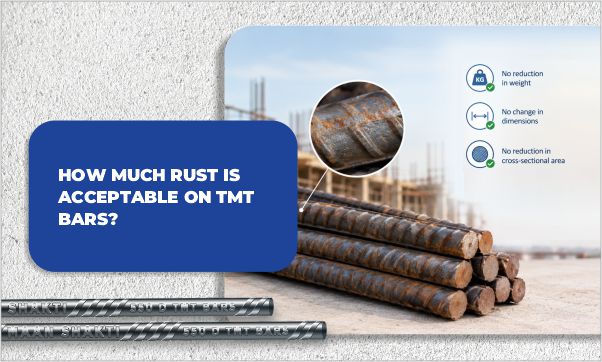
Rust on steel reinforcement bars is a common concern at construction sites. TMT bars are often stored outdoors and may develop a reddish or brownish coating due to exposure to moisture and air. But does every sign of rust mean the steel is unsuitable for construction?
The answer is no. A thin layer of surface rust may be acceptable, but heavy rust, deep corrosion, and visible damage can affect the quality and performance of reinforcement steel. Understanding the difference is essential when selecting and using TMT Bar for Construction.
Why Do TMT Bars Develop Rust?
TMT bars contain steel, which reacts with oxygen and moisture to form rust. This process can occur during transportation, storage, or exposure to rain and humid conditions.
Common causes of rust on TMT bars include:
- Exposure to rainwater and high humidity
- Storage directly on the ground
- Poor drainage around the storage area
- Long-term outdoor storage without adequate protection
- Contact with water, mud, or corrosive chemicals
Although surface rust is common, the extent of corrosion must be checked before the bars are used in concrete structures.
How Much Rust Is Acceptable on TMT Bars?
There is no single rust-thickness limit that applies to every TMT bar in every situation. Acceptability depends on the condition of the steel, the applicable standard, and whether corrosion has affected its dimensions, ribs, or mechanical properties.
1. Light Surface Rust
A thin, uniform reddish-brown coating without flaking, deep pitting, or visible damage is generally not a reason to reject a TMT bar automatically.
Light surface rust can often be acceptable if the bar retains its original diameter, weight, rib pattern, and structural integrity. The surface should also be free from loose rust and other contaminants that could interfere with bonding to concrete.
2. Moderate Rust and Loose Scale
Bars with flaky rust, loose corrosion products, or noticeable scaling require closer inspection. Loose rust should be removed using an appropriate cleaning method, and the steel should be examined for any loss of cross-section or damage to the ribs.
The bars should not be approved for use solely because the loose rust has been cleaned away. Their remaining dimensions and condition must also be assessed.
3. Heavy Rust and Deep Pitting
Heavy corrosion, deep pits, significant scaling, or visibly reduced bar diameter can compromise the reinforcement’s performance. Such bars should be kept aside until they have been inspected by the responsible site engineer.
If corrosion has reduced the cross-sectional area, damaged the ribs, or affected the steel’s required properties, the bars may need to be rejected. Do not use severely corroded reinforcement without technical approval.
Does Rust Affect the Bond Between TMT Bars and Concrete?
TMT bars are designed with surface ribs that help them bond mechanically with concrete. This bond allows the steel and concrete to work together in a reinforced structure.
Light, firmly adhering surface rust does not necessarily reduce this bond and may not be harmful. However, thick, loose rust and flaky scale can interfere with proper contact between the reinforcement and concrete.
For this reason, bars should be checked for loose corrosion products, intact ribs, and any signs of material loss before installation.
How to Check Rust on TMT Bars at a Construction Site
Before using TMT bars, follow these basic inspection steps:
1. Inspect the surface: Check for uniform surface rust, loose flakes, deep pits, and signs of severe corrosion.
2. Check the ribs: Ensure the ribs remain clearly defined and have not been significantly damaged by corrosion.
3. Check the diameter: Measure the bar where necessary and compare the results with the required specifications. If corrosion is uneven, a single measurement may not be sufficient.
4. Check for material loss: Where corrosion is significant, assess the remaining cross-sectional area and other relevant properties through appropriate inspection.
5. Seek engineering approval: If the bar shows heavy rust, pitting, scaling, or suspected loss of strength, ask the responsible engineer to decide whether it can be used.
How to Prevent Rust on TMT Bars During Storage
Proper storage helps maintain the quality of TMT bars before they are used in construction.
- Store bars on raised platforms rather than directly on soil.
- Choose a well-drained storage area to prevent water accumulation.
- Cover the bars to protect them from direct rainfall while allowing adequate ventilation.
- Keep the steel away from mud, standing water, and corrosive chemicals.
- Avoid prolonged storage in damp conditions.
- Inspect stored reinforcement regularly, especially during the monsoon season.
These measures reduce unnecessary corrosion and make it easier to identify bars that need cleaning or further inspection.
Choosing the Right TMT Bar for Construction
The condition of the steel is only one factor when choosing reinforcement. Buyers and contractors should also verify the grade, specified diameter, relevant BIS certification and applicable Indian Standard, mechanical properties, and supplier documentation.
Selecting quality TMT Bar for Construction helps ensure that reinforcement meets the requirements of the structural design. Proper transportation, storage, and inspection are equally important to maintain steel quality until installation.
Do not choose reinforcement based on appearance alone. A bar with little visible rust still needs to meet the required specifications, while a lightly rusted bar should not be rejected automatically without considering its actual condition.
Conclusion
A small amount of surface rust on TMT bars is not necessarily a problem. The main concern is whether corrosion has caused loose scaling, deep pitting, rib damage, or a reduction in the steel’s cross-sectional area and required properties.
By inspecting reinforcement carefully, storing it correctly, and following the applicable standards and engineering guidance, builders can make better decisions about steel quality and safety.
When selecting TMT Bar for Construction, always prioritise verified quality, proper storage, and professional inspection to support durable and reliable structures.
Related Blogs