
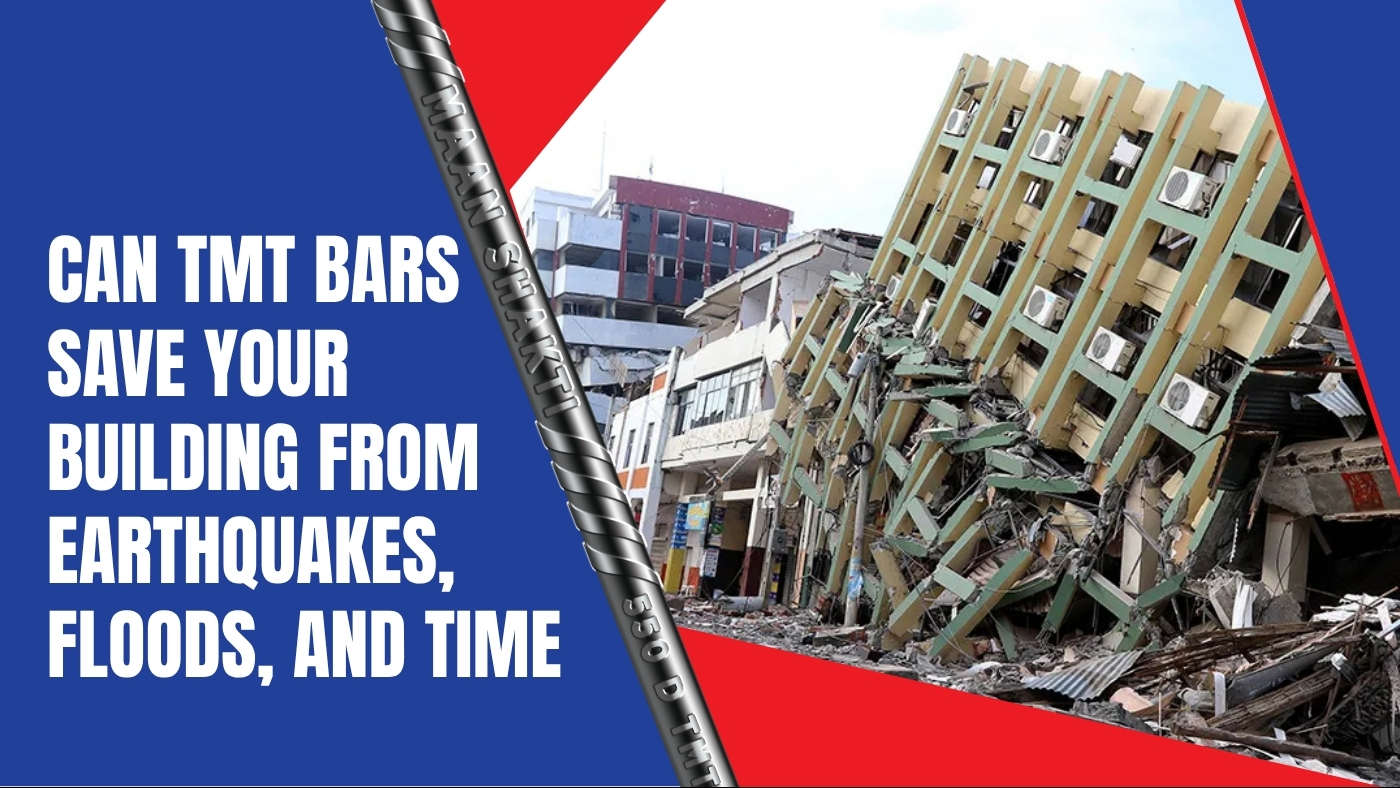
Natural disasters and environmental wear are two of the biggest threats to any building’s structural integrity. Floods, earthquakes, and the test of time push construction materials to their limits. Builders and homeowners alike must choose materials that offer more than just basic strength. Modern construction demands durability, resilience, and smart engineering. This is where TMT bars come into play as the silent guardians of structural safety.
How TMT Bars Contribute to Structural Strength?
Thermo-Mechanically Treated (TMT) bars are not ordinary steel rods. They are produced through a carefully controlled process involving rapid quenching and self-tempering. This process creates a soft inner core and a strong outer surface. The dual structure provides strength without making the bar brittle.
Buildings reinforced with TMT bars can bear heavy loads and resist cracking. Their high tensile strength helps maintain structural integrity during extreme pressure situations. This makes them a reliable choice for both residential and commercial projects.
Earthquake Resistance
Earthquakes test the flexibility of a building’s skeleton. A rigid structure may collapse when the earth shakes. But a structure that bends slightly without breaking has a better chance of survival. TMT bars play a crucial role in making buildings flexible yet strong.
Earthquake-resistant TMT bars are engineered with ductility that allows for controlled bending. This property helps the building absorb seismic energy without breaking apart. These bars reduce the risk of collapse and enhance safety during tremors.
Ductility also ensures that joints and beams stay intact, reducing post-quake damage. It allows engineers to design safer structures in seismic zones. The use of Earthquake Resistant TMT Bars has now become the norm in regions vulnerable to earthquakes.
Floods and Moisture
Floods can wreak havoc on structures, not just through force but by long-term water exposure. Prolonged contact with moisture leads to rust and degradation of steel. This weakens the bond between steel and concrete and reduces the structure’s life span.
TMT bars with anti-rust features act as a defense against moisture damage. These bars have a special chemical composition that resists oxidation. This makes them ideal for coastal areas, flood-prone zones, and humid climates.
Corrosion-resistant TMT Bars stay strong despite repeated exposure to water. They do not flake, rust, or weaken like traditional steel bars. These bars maintain their strength even under extreme humidity or waterlogging conditions. The use of Corrosion Resistance TMT Bars ensures the core of the structure remains unaffected by external elements.
Standing the Test of Time
Time is a slow but steady force that wears down even the best buildings. Environmental stress, pollution, and fluctuating temperatures all contribute to material fatigue. Using the right foundation materials can delay this process by decades.
TMT bars retain their properties even after prolonged exposure to weather changes. Their microstructure resists thermal expansion and contraction. This prevents internal stress and micro-cracks in the concrete.
Structures built with TMT bars demand less maintenance and offer extended service life. This durability helps builders reduce long-term repair costs and ensures safety for generations. TMT bars also offer excellent bonding with concrete, improving the overall durability of the framework.
Safety and Sustainability
TMT bars not only offer safety but also contribute to sustainable construction practices. Their recyclability and energy-efficient production make them eco-friendly. Construction sites using TMT bars generate less waste and consume fewer resources over time.
With rising demand for green buildings, materials like TMT bars are gaining importance. Builders now prefer solutions that are both high-performing and environment-friendly. Their strength, flexibility, and longevity align well with the goals of modern architecture.
Real-World Applications of TMT Bars and Impact
TMT bars are used in infrastructure projects like bridges, dams, and skyscrapers. These structures must withstand both natural forces and human activity over time. Government codes now mandate the use of high-quality steel in construction.
Engineers choose specialized variants based on site conditions. Coastal projects benefit from anti-rust variants. Seismic zones demand bars with higher ductility. TMT bars meet these varied requirements without sacrificing core strength. They have also proven successful in modifying old buildings. Replacing worn-out steel with modern TMT bars can add decades to a structure’s life.
The Bottom Line
Building safety is no longer just about using bricks and mortar. It’s about choosing materials that can stand up to nature and time. TMT bars do more than just hold a building together. They defend it from the unseen threats that could bring it down. In a world where disaster resilience is vital, these bars silently but powerfully support the future of construction.