
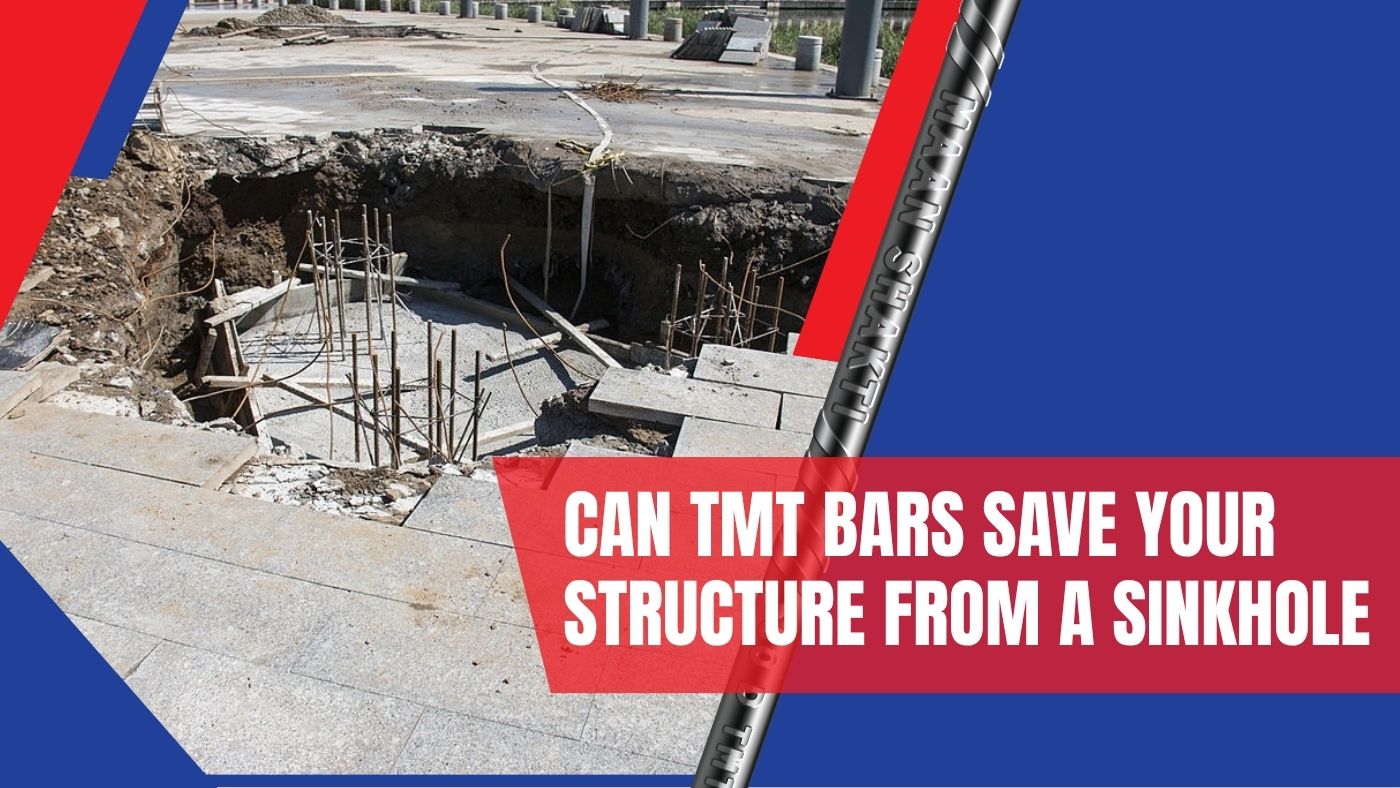
Sinkholes are sudden, dangerous, and often unpredictable. These ground collapses can swallow entire buildings, disrupt infrastructure, and lead to loss of life. They form due to natural causes like groundwater erosion or human activities like mining and drilling. Once a sinkhole opens up, the damage can be catastrophic. Engineers, architects, and construction professionals must plan for such risks, especially in sinkhole-prone zones. Strong foundations and resilient building materials are crucial. Structural integrity depends not just on design but also on what holds the structure together. Understanding how different materials respond to soil shifts can help prevent total collapse.
What is a Sinkhole?
Sinkholes occur when underground soil dissolves or shifts, leaving a hollow space below the surface.
- They are most common in regions with soluble rock, such as limestone or gypsum.
- Over time, water erodes the rock beneath the surface, forming a void.
- Eventually, the surface collapses into the empty space, creating a sinkhole.
There are three main types of sinkholes:
- Dissolution sinkholes: Slow erosion of soluble rock.
- Cover-subsidence sinkholes: Gradual collapse of sand or loose earth.
- Cover-collapse sinkholes: Sudden drop in cohesive soil.
Sinkholes may appear suddenly, but their formation starts years in advance. Even a well-built structure can fail if the foundation material cannot resist the surrounding ground pressure.
How Construction Materials Affect Sinkhole Resistance?
A building’s survival depends on how well its structure reacts to ground movement.
- Weak materials crack, bend, or collapse under shifting soil.
- Reinforced materials can absorb shock and resist structural tension.
- Buildings supported by strong framing and foundations have higher chances of survival.
One key component in such framing is the steel reinforcement within the concrete. Among these, TMT Bars have gained popularity for their strength and flexibility.
Concrete alone is strong in compression but weak in tension. When a sinkhole causes a sudden drop, tension increases dramatically. That is when high-quality reinforcement becomes critical. Buildings with weak bars risk crumbling, while those with advanced steel reinforcements often hold longer.
How TMT Bars Help Withstand Ground Movements?
TMT stands for Thermo Mechanically Treated. These bars undergo a unique heat treatment process that enhances their strength and elasticity.
Here is how TMT Bar performance contributes to structural safety:
- High Ductility: They bend without breaking, which is vital when soil shifts under the foundation.
- Fatigue Resistance: Their strength under repeated stress loads makes them suitable for unpredictable soil activity.
- Corrosion Resistance: Sinkholes may expose bars to underground moisture. TMT bars resist corrosion better than conventional steel.
- Strong Bonding with Concrete: Their ribbed design grips concrete tightly, creating a unified structure that doesn’t fall apart easily.
These features work together to protect the integrity of the structure even during major soil disturbances.
Using the Best TMT Bars ensures the framework remains intact even if the foundation shifts. This provides extra seconds or minutes that can save lives and reduce property damage.
Other Factors That Improve Sinkhole Resistance
While TMT bars play a critical role, other elements also contribute to resisting ground failure:
Foundation Design
- Deep foundations can reach stable strata beneath loose soil.
- Pile foundations often work well in areas with sinkhole history.
Soil Testing
- Pre-construction geotechnical analysis detects weak zones.
- Regular monitoring helps track underground water movement.
Load Distribution
- Evenly distributing the load reduces pressure points.
- Reinforced frameworks help balance structural weight across surfaces.
Still, without reliable reinforcement, these measures are incomplete. TMT bars act like a safety net, absorbing and distributing shock during sudden ground shifts. Their performance adds a vital line of defense to structural planning.
That’s why builders in sensitive regions invest in certified and branded TMT Bar options, like Maan Shakti. The difference between average and high-quality bars becomes clear during soil disturbances.
Environmental Benefits of TMT Bars
In addition to their strength, TMT bars offer sustainability advantages:
- Lower carbon emissions during manufacturing compared to traditional steel.
- Recyclable and reusable without significant loss in quality.
- Longevity reduces the need for frequent repairs and reconstructions.
With environmental concerns growing, builders prefer durable and eco-friendly materials. TMT bars fit both criteria.
The Bottom Line
Sinkholes will always be a risk in certain geographies. The question isn’t whether they will happen but how well a structure can endure them. Durable construction materials, sound design principles, and regular soil assessment form a defense strategy. Within this strategy, TMT bars play a powerful role in reinforcing structural safety.
Choosing the right materials is a long-term investment. While no building is entirely sinkhole-proof, adding resilience through advanced reinforcement improves outcomes dramatically. Structures built with foresight and the right materials stand a better chance of survival, even when the ground opens beneath them.