



Common Mistakes to Avoid When Choosing TMT Bars for Construction

Latest Post
-
01
Oct 23, 2026 Best TMT Bar Manufacturers
How to Check Bar Markings, Grade and Quality Certificates Read More
-
02
Oct 23, 2026 TMT Bar for Construction
How Much Rust Is Acceptable on TMT Bars for Construction? Read More


Categories
Popular Tags
- TMT Bars
- tmt
- TMT Bar
- Best TMT Bars
- Top Rated TMT Steel Bar Manufacturers
- Supplier of TMT Bars
- bars
- Manufacturer of TMT Bars
- Superior Quality steel TMT Bars
- TMT Bars Suppliers
- TMT Bars Manufacturers
- Bar
- Best TMT Bar Manufacturers
- Earthquake Resistant TMT Bars
- Thermo Mechanical Treated Steel
- tmt wholesale & distributor in west Bengal
- TMT Steel Suppliers Kolkata
- Pure TMT Bars
- Best
- TMT Bar Manufacturers Kolkata
- Corrosion Resistance TMT Bars
- Top TMT Company Assam
- leading TMT Bar producer
- Company
- Best TMT Steel Manufacturers West Bengal
- Best TMT Bar Company Assam
- TMT Bar West Bengal
- manufacturers
- Leading TMT Bars West Bengal
- TMT Bar Company
- Assam
- Top TMT bar manufacturers in West Bengal
- TMT Wholesale Distributor
- Leading Manufacturer of TMT Bars
- TMT Bar Manufacturer
- Steel
- of
- TMT Steel Bars
- Pure TMT Bars Kolkata
- Leading TMT Bar Producer Assam
- Best TMT Brand Assam
- Kolkata
- Suppliers
- West Bengal
- Construction
- Best TMT Bar
- TMT Bar Manufacturers
- Manufacturer of Tmt Saria Assam
- Top
- Leading
- Industry
- TMT Steel Bar
- Best TMT Steel Manufacturers in West Bengal
- Corrosion Resistant TMT Bars
- TMT Steel Suppliers in Kolkata
- TMT Manufacturer
- Top TMT Bar manufacturers
- leading TMT bar producer in Assam
- Earthquake
- Resistant
- Supplier
- Resistance
- Producer
- Pure
- Manufacturer
- TMT Steel Bar Manufacturers
- tmt wholesale distributors in west bengal
- TMT Bar for Construction
- TMT Rebar
- Pure TMT Bars in Kolkata
- Manufacturing TMT Steel Bars
- TMT Rebars
- Best TMT Bars Manufacturers
- Best TMT Bar Companies in Assam
- TMT Bar Company Assam
- Best TMT Bars Company Assam
- leading TMT Bars Manufacturing Companies Assam
- TMT Bars Suppliers in India
- TMT Bar Wholesale & Distributor
- Corrosion Resistance TMT
- Earthquake Resistant TMT
- Most Popular Brand in TMT Manufacturing
- TMT steel bars suppliers in Kolkata
- leading TMT bar manufacturers
- top-rated TMT bar manufacturers
- TMT Bar Manufacturers in Kolkata
- Fe500D
- sariya
- Quality
- Grades
- TMT Bars Company
- TMT Steel Suppliers
- TMT Wholesale
- TMT Company
- TMT Distributor
- Constructions
- TMT Suppliers
- Leading TMT Bars in West Bengal
- steel TMT bars
- Manufacturer of TMT Saria in Assam
- TMT Bar suppliers
- Best Supplier of TMT bars
- Suppliers of TMT Bars
- Top TMT Companies in Assam
- best TMT Bar manufacturers in West Bengal
- TMT bar producer in Assam
- Steel Bar
- TMT Steel
- corrosion resistant
- top-rated
- Corrosion
- Bars Manufacturer
- Bars TMT
- Bars Best
- Bars Corrosion
- TMT Steel Manufacturers
- Top TMT Bar Manufacturer
- TMT Bars Kolkata
- Earthquake in Kolkata
- Earthquake in Northeast India
- Bulk Order TMT Bar Online
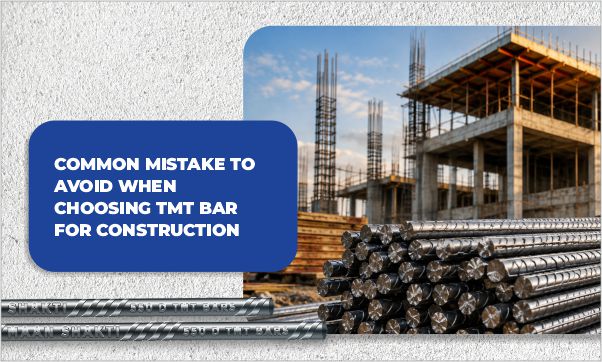
Common Mistakes to Avoid When Choosing TMT Bars for Construction
Aug 4, 2026

bluant digital
Common Mistakes to Avoid When Choosing TMT Bars for Construction
When people think about building a house or commercial structure, they often focus on cement quality, architectural design, or labour costs. However, one decision that has a lasting impact on the safety and durability of any structure is the selection of TMT bars.
TMT bars form the reinforcement framework of concrete structures, enabling them to withstand tensile forces, seismic activity, heavy loads, and environmental stress. Yet, many buyers—especially first-time homeowners and small contractors—make purchasing decisions based on assumptions rather than technical evaluation.
The result? Reduced structural performance, premature deterioration, and avoidable maintenance costs.
In this article, we explore the most common mistakes people make while choosing TMT bars and explain how informed decisions can help ensure stronger, safer, and longer-lasting construction.
1. Prioritising Price Over Performance
One of the most common misconceptions is that all TMT bars available in the market perform similarly. As a result, buyers often compare only the price per tonne and choose the least expensive option.
While the initial savings may seem attractive, lower-quality reinforcement can compromise the structural integrity of a building over time. Poor manufacturing practices may lead to inconsistent strength, reduced ductility, or inferior corrosion resistance—all of which affect long-term performance.
Instead of asking, “Which TMT bar is cheapest?”, ask:
- Does it comply with IS standards?
- Is the manufacturer known for consistent quality?
- Does it suit the structural requirements of my project?
Construction is a long-term investment, and reinforcement steel should be selected with the same perspective.
2. Ignoring BIS Certification and Manufacturing Standards
Every genuine TMT bar should comply with IS 1786 standards prescribed by the Bureau of Indian Standards (BIS).
Certification indicates that the product has been tested for important mechanical properties such as:
- Yield strength
- Tensile strength
- Elongation
- Bend and rebend performance
- Chemical composition
Choosing uncertified steel introduces unnecessary risks, particularly in load-bearing members such as beams, columns, and slabs.
-
Selecting the Wrong Grade of TMT Bars
Another frequent mistake is assuming that a higher grade automatically means a better product.
Grades such as Fe 500, Fe 500D, Fe 550, and Fe 550D are designed for different structural applications. The choice depends on factors including building height, design loads, seismic zone, and engineering specifications.
For example, ductile grades (marked with the suffix “D”) generally offer improved elongation, making them more suitable for structures in earthquake-prone regions.
Selecting the appropriate grade should always be based on structural design rather than marketing claims.
4. Overlooking Corrosion Resistance
Corrosion is one of the leading causes of reinforcement failure in reinforced concrete structures.
Projects located in coastal regions, areas with high humidity, or industrial zones are particularly vulnerable to steel corrosion. Once corrosion begins, it weakens the reinforcement and eventually affects the surrounding concrete.
High-quality TMT bars manufactured with controlled chemistry and modern production techniques offer better resistance to corrosion, helping extend the service life of the structure.
5. Buying Without Verifying the Manufacturer
In today’s market, buyers have access to numerous local brands, distributors, and traders. However, not every supplier maintains consistent manufacturing standards.
Before purchasing, evaluate the manufacturer’s:
- Production capacity
- Quality assurance processes
- Testing facilities
- Industry reputation
- Distribution network
- Customer support
Reliable manufacturers invest in quality control because consistency matters as much as strength.
6. Ignoring Ductility and Earthquake Performance
Strength alone does not determine the quality of reinforcement steel.
During seismic activity, buildings experience repeated cycles of tension and compression. TMT bars with higher ductility can deform without sudden fracture, allowing structures to absorb energy more effectively.
This property significantly improves structural resilience and occupant safety during earthquakes.
7. Failing to Inspect Product Identification
Counterfeit or substandard steel products remain a challenge in the construction industry.
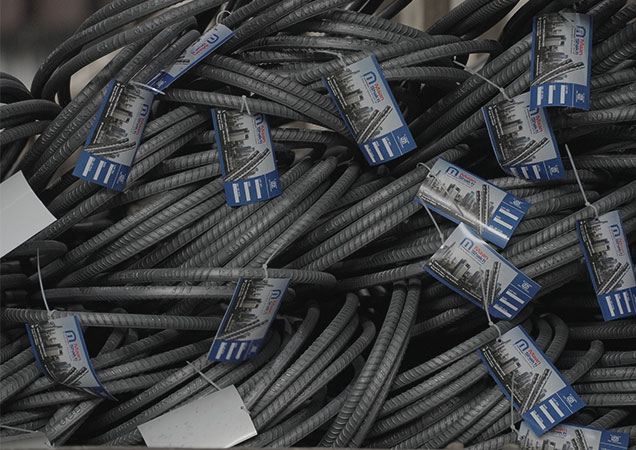
Before accepting delivery, verify that each bar carries clear rolling marks indicating:
- Manufacturer’s name
- Grade
- Standard markings
- Batch identification
Proper identification improves traceability and reduces the possibility of counterfeit material entering the project.
8. Ignoring Supply Reliability
Construction schedules depend on uninterrupted material availability.
Working with suppliers who cannot deliver consistently often leads to project delays, increased labour costs, and procurement challenges.
Choosing a manufacturer with a robust dealer network and dependable logistics ensures continuity throughout the construction process.
A Practical Checklist Before Buying TMT Bars
Before placing an order, confirm that the product meets the following criteria:
- Manufactured as per IS 1786 standards
- Procured from a trusted and established manufacturer
- Suitable grade specified by the structural engineer
- High corrosion resistance
- Good ductility and bendability
- Consistent mechanical properties
- Clearly identifiable branding and markings
- Reliable dealer and supply network
This simple evaluation can significantly reduce the risk of quality-related issues during construction.
Conclusion
Selecting reinforcement steel should never be treated as a routine purchase. The quality of TMT bars directly influences the safety, durability, and lifecycle cost of every structure, whether it is a residential home, commercial building, or infrastructure project.
By avoiding common mistakes such as choosing solely on price, overlooking certification, selecting the wrong grade, or purchasing from unreliable sources, builders and homeowners can make more informed decisions that protect their investment for decades.
Ultimately, the right TMT bar is not simply the one that costs less—it is the one that consistently delivers strength, reliability, and long-term structural performance.
-
No tags for this post