
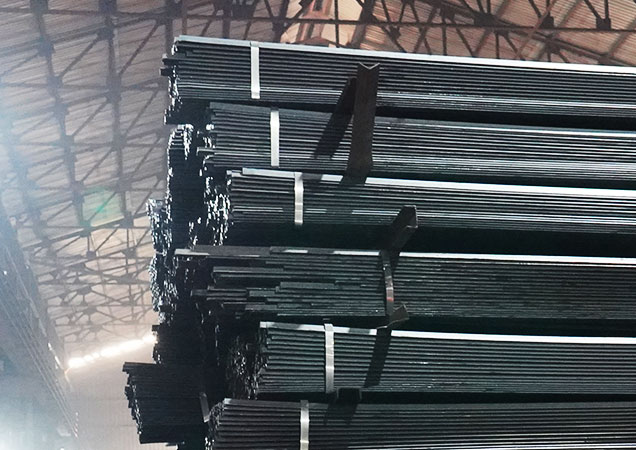


How Global Disruptions Are Changing the Economics of Steel in India

Latest Post
-
01
Oct 23, 2026 Best TMT Bar Manufacturers
How to Check Bar Markings, Grade and Quality Certificates Read More
-
02
Oct 23, 2026 TMT Bar for Construction
How Much Rust Is Acceptable on TMT Bars for Construction? Read More


Categories
Popular Tags
- TMT Bars
- tmt
- TMT Bar
- Best TMT Bars
- Top Rated TMT Steel Bar Manufacturers
- Supplier of TMT Bars
- bars
- Manufacturer of TMT Bars
- Superior Quality steel TMT Bars
- TMT Bars Suppliers
- TMT Bars Manufacturers
- Bar
- Best TMT Bar Manufacturers
- Earthquake Resistant TMT Bars
- Thermo Mechanical Treated Steel
- tmt wholesale & distributor in west Bengal
- TMT Steel Suppliers Kolkata
- Pure TMT Bars
- Best
- TMT Bar Manufacturers Kolkata
- Corrosion Resistance TMT Bars
- Top TMT Company Assam
- leading TMT Bar producer
- Company
- Best TMT Steel Manufacturers West Bengal
- Best TMT Bar Company Assam
- TMT Bar West Bengal
- manufacturers
- Leading TMT Bars West Bengal
- TMT Bar Company
- Assam
- Top TMT bar manufacturers in West Bengal
- TMT Wholesale Distributor
- Leading Manufacturer of TMT Bars
- TMT Bar Manufacturer
- Steel
- of
- TMT Steel Bars
- Pure TMT Bars Kolkata
- Leading TMT Bar Producer Assam
- Best TMT Brand Assam
- Kolkata
- Suppliers
- West Bengal
- Construction
- Best TMT Bar
- TMT Bar Manufacturers
- Manufacturer of Tmt Saria Assam
- Top
- Leading
- Industry
- TMT Steel Bar
- Best TMT Steel Manufacturers in West Bengal
- Corrosion Resistant TMT Bars
- TMT Steel Suppliers in Kolkata
- TMT Manufacturer
- Top TMT Bar manufacturers
- leading TMT bar producer in Assam
- Earthquake
- Resistant
- Supplier
- Resistance
- Producer
- Pure
- Manufacturer
- TMT Steel Bar Manufacturers
- tmt wholesale distributors in west bengal
- TMT Bar for Construction
- TMT Rebar
- Pure TMT Bars in Kolkata
- Manufacturing TMT Steel Bars
- TMT Rebars
- Best TMT Bars Manufacturers
- Best TMT Bar Companies in Assam
- TMT Bar Company Assam
- Best TMT Bars Company Assam
- leading TMT Bars Manufacturing Companies Assam
- TMT Bars Suppliers in India
- TMT Bar Wholesale & Distributor
- Corrosion Resistance TMT
- Earthquake Resistant TMT
- Most Popular Brand in TMT Manufacturing
- TMT steel bars suppliers in Kolkata
- leading TMT bar manufacturers
- top-rated TMT bar manufacturers
- TMT Bar Manufacturers in Kolkata
- Fe500D
- sariya
- Quality
- Grades
- TMT Bars Company
- TMT Steel Suppliers
- TMT Wholesale
- TMT Company
- TMT Distributor
- Constructions
- TMT Suppliers
- Leading TMT Bars in West Bengal
- steel TMT bars
- Manufacturer of TMT Saria in Assam
- TMT Bar suppliers
- Best Supplier of TMT bars
- Suppliers of TMT Bars
- Top TMT Companies in Assam
- best TMT Bar manufacturers in West Bengal
- TMT bar producer in Assam
- Steel Bar
- TMT Steel
- corrosion resistant
- top-rated
- Corrosion
- Bars Manufacturer
- Bars TMT
- Bars Best
- Bars Corrosion
- TMT Steel Manufacturers
- Top TMT Bar Manufacturer
- TMT Bars Kolkata
- Earthquake in Kolkata
- Earthquake in Northeast India
- Bulk Order TMT Bar Online
How Global Disruptions Are Changing the Economics of Steel in India
May 5, 2026

bluant digital
How Global Disruptions Are Changing the Economics of Steel in India
The global steel industry does not operate in isolation. It is closely linked to energy markets, trade routes, and global economic stability. Recent geopolitical tensions, especially the ongoing conflict between Iran and the United States, are creating ripple effects across energy prices, shipping costs, and raw material supply chains.
For India, these developments matter more than ever. As one of the fastest-growing steel-consuming countries, India must balance rising production costs with strong domestic demand. Understanding how global events impact the steel industry is now essential for businesses, policymakers, and investors.
This blog explains how geopolitical conflicts influence the Indian steel sector, why costs are rising, and what companies must do to remain competitive.
How Geopolitical Tensions Influence Steel Markets
Geopolitical conflicts affect steel production mainly through energy prices and supply chains. Steel manufacturing is highly energy-intensive. Any increase in fuel prices directly raises the cost of production.
Recent geopolitical tensions have caused fluctuations in global crude oil prices. Higher oil prices increase freight charges, transportation costs, and production expenses. Shipping insurance costs also rise when maritime risks increase, which further adds to supply chain costs.
Steel companies feel this impact immediately through:
- Increased raw material prices
- Higher logistics and freight costs
- Longer supply timelines
- Greater financial pressure on margins
In a globally connected economy, a conflict in one region quickly affects industries worldwide.
Why the India Context Is Different
India is one of the world’s largest steel producers and consumers. However, the country is also heavily dependent on imported energy. Any increase in global energy prices has a direct impact on domestic steel production costs.
Unlike some developed markets where demand is slowing, India continues to see strong demand due to:
- Rapid infrastructure development
- Urbanization and real estate growth
- Government-led capital expenditure
- Expansion of manufacturing sectors
This creates a unique situation. While many global markets face demand slowdown, India is managing cost pressure along with rising consumption.
Impact on Steel Prices and Production Costs
Energy is one of the largest cost components in steel production. When energy costs rise, steel production becomes more expensive. Additionally, raw materials like iron ore, coking coal, and scrap are influenced by global trade dynamics.
Key impacts on the steel industry include:
- Higher production costs for primary and secondary steel producers
- Increased freight costs due to higher fuel prices
- Greater volatility in raw material availability
- Rising working capital requirements
For manufacturers, this means managing costs without passing excessive price increases to customers, which is not always easy.
Pressure on Supply Chains and Logistics
Geopolitical instability often disrupts global supply chains. When major trade routes become risky, shipping companies raise insurance premiums or reroute shipments. This leads to higher freight costs and longer delivery times.
For Indian steel companies, this affects:
- Import of raw materials like coal and scrap
- Export competitiveness in global markets
- Timely delivery of finished products
Efficient logistics and strong supplier relationships become critical in such situations.
India’s Opportunity in a Changing Global Landscape
While rising costs create challenges, they also open opportunities. As global supply chains face disruptions, countries with stable production capacity and strong domestic demand can gain an advantage.
India is well positioned to benefit from:
- Growing domestic demand
- Government focus on infrastructure and manufacturing
- Strong potential in exports, especially when other regions face supply disruptions
However, capitalizing on these opportunities requires strategic planning and operational efficiency.
Why Capacity Expansion Alone Is Not the Solution
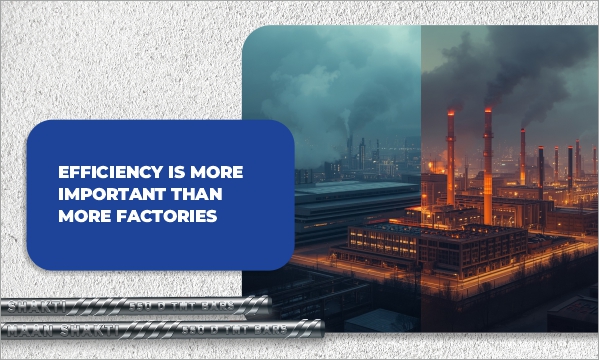
For years, growth in the steel industry has been linked to increasing production capacity. However, the current environment demands a shift in strategy.
Simply building new plants does not guarantee success. Many producers struggle with underutilized capacity and thin margins. Expanding capacity without improving efficiency can weaken financial performance.
Instead of focusing only on expansion, companies must prioritize:
- Improving capacity utilization
- Optimizing production processes
- Reducing energy consumption
- Enhancing product quality and consistency
A smaller, well-optimized operation can often outperform a larger but inefficient one.
The Need for Smarter Operations and Value Addition
To stay competitive, Indian TMT Bar manufacturers must focus on smarter operations. This includes investing in technology, automation, and data-driven decision-making.
Key areas of focus should include:
- Process optimization to reduce energy and material wastage
- Digital monitoring of production systems
- Predictive maintenance to avoid downtime
- Supply chain optimization for better cost control
Additionally, moving towards value-added products such as specialized steel grades can improve margins and reduce dependence on commodity pricing.
Financial Discipline and Long-Term Strategy
In uncertain times, financial discipline becomes essential. Companies must carefully evaluate investments, manage debt levels, and maintain strong cash flow.
Long-term strategic planning should include:
- Balanced capital expenditure
- Risk management strategies
- Diversified supply sources
- Strong partnerships across the value chain
These measures help companies remain stable during market volatility.
Preparing for a Volatile Future
Geopolitical tensions are unlikely to disappear quickly. Volatility in energy prices and global trade may remain part of the business environment for years to come.
Companies that succeed in this environment will be those that:
- Build operational resilience
- Adapt quickly to changing conditions
- Focus on efficiency rather than volume
- Maintain strong relationships with customers and suppliers
Resilience and adaptability will define future success in the steel industry.
Conclusion
The global steel industry is entering a new phase where geopolitical developments, energy costs, and supply chain dynamics play a decisive role. For India, this creates both challenges and opportunities.
While rising costs and global uncertainty create pressure, strong domestic demand and strategic positioning offer growth potential. The key lies in moving beyond capacity expansion and focusing on efficiency, innovation, and long-term resilience.
In this changing landscape, success will not come from producing more steel alone. It will come from producing smarter, managing risks better, and building stronger businesses for the future.
-
No tags for this post